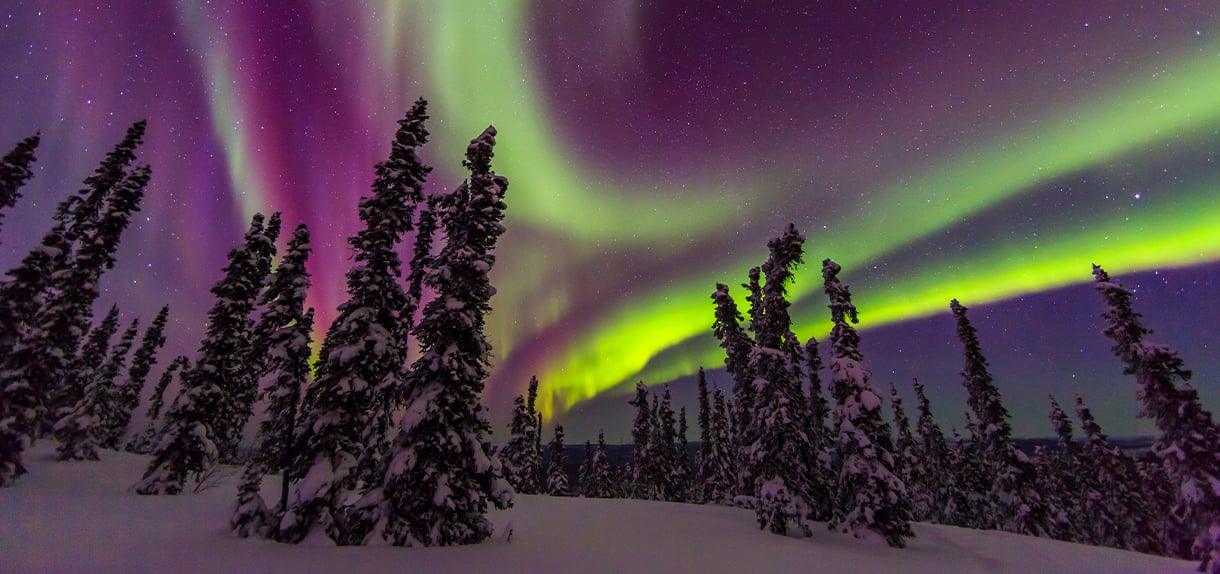
Alaska offers some of the most reliable northern lights viewing in North America—and the real question isn’t if you can see the aurora here, but when you should go. Sitting directly beneath the auroral oval, Fairbanks logs more than 200 potential viewing nights each year, thanks to its clear, dry Interior climate and minimal light pollution. Timing, however, makes all the difference.
The best time to see the northern lights in Alaska depends on what you value most.
- February and March deliver the highest viewing probability, pairing strong aurora activity with stable weather—ideal if you’re comfortable with subzero temperatures.
- September trades some intensity for accessibility, offering milder weather, fall colors, and lower prices while still delivering legitimate aurora chances.
- Deep winter months bring the longest darkness but require serious cold-weather prep and higher budgets.
This month-by-month guide breaks down Alaska’s aurora season—from late August through April—so you can match viewing probability, comfort level, and cost to the right travel window. If you want expert help aligning timing, lodging, and logistics, an InteleTravel Advisor can help you plan strategically—so when the lights appear, you’re in the right place, at the right time, with the right expectations.
When Is the Best Time to See the Northern Lights in Alaska?
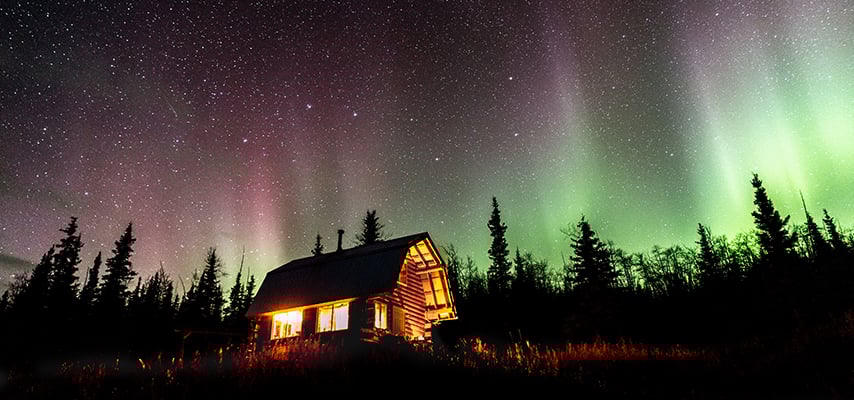
Alaska's aurora season runs from late August through April, but the "best time" depends on your priorities: viewing probability, temperature tolerance, and budget flexibility.
February and March maximize viewing probability. These late winter months deliver stable weather patterns, moderate temperatures compared to deep winter (-10 to 15 degrees Fahrenheit versus January's -30 degrees), and heightened aurora activity approaching the spring equinox. You'll find fewer crowds than holiday season, better value than December-January pricing, and excellent viewing probability.
The trade-off: You still need serious cold-weather preparation with temperatures regularly below zero.
September maximizes accessibility and comfort. With temperatures around 40 to 50 degrees—similar to late fall in northern U.S. cities—you can view the aurora without specialized arctic gear. Your standard winter jacket, warm layers, and insulated gloves suffice for September viewing. Early aurora season coincides with Alaska's fall colors, and you'll encounter minimal crowds as summer tourism winds down.
The trade-off: Shorter nights mean fewer viewing hours, and early September's extended daylight limits aurora visibility to late evening.
Deep winter months (October through February) maximize darkness hours—crucial since displays require darkness. Solar activity during these months can produce spectacular, intense displays. However, Fairbanks regularly experiences -20 to -40 degrees Fahrenheit during this period. Holiday season pricing (December-January) runs significantly higher, and you'll need specialized arctic gear rated for extreme cold.
Critical Timing Factors
Darkness hours: December and early January provide 18 or more hours of darkness nightly, while November already has very long nights with 14-16 hours of darkness.
Weather patterns: November through February deliver clear, stable conditions but very cold temperatures. March represents the sweet spot where weather stabilizes while temperatures moderate. September-October can bring unsettled weather as fall transitions to winter.
Temperature tolerance: Fairbanks regularly drops to -20 degrees or colder. February viewing feels like Colorado backcountry winter camping at high elevation—manageable with proper gear but genuinely challenging. September feels like watching a late-season NFL night game in Green Bay—brisk but not extreme.
Balancing these variables—darkness hours, weather patterns, temperature extremes, and your personal comfort levels—typically requires coordinating multiple decisions: which month matches your cold tolerance, which Fairbanks-area properties position you outside light pollution without requiring winter mountain driving in unfamiliar conditions, and how to structure four to five nights with weather flexibility built in.
The month-by-month breakdowns below detail what to expect during each period, helping you match Alaska's aurora season to your specific priorities and constraints.
Best Months to See the Northern Lights in Alaska
September: Best for Comfort & Accessibility
September offers the most approachable northern lights experience, combining early aurora season with comfortable temperatures and Alaska's fall transformation. Daytime options include wildlife photography, as moose, caribou, and bears prepare for winter, plus fall hiking before trails close for the season.
September Advantages:
- Mild temperatures (40 to 55 degrees Fahrenheit) eliminate specialized arctic gear requirements
- Fall colors create spectacular daytime photography opportunities
- Lower pricing than peak winter (typically 20%-30% savings)
- Minimal crowds at lodges and viewing locations
- Standard winter clothing sufficient (heavy jacket, warm layers, insulated gloves)
September Considerations:
- Shorter nights limit viewing windows, especially early September
- Lower aurora intensity compared to peak winter
- Limited darkness before 11 p.m. early in month
Best for: First-time aurora travelers who want the experience without extreme cold preparation, families with children who can't handle subzero temperatures, photographers seeking both aurora and fall landscape opportunities, budget-conscious travelers maximizing value, and anyone uncomfortable with temperatures below zero.
October-November: Increasing Darkness
As autumn progresses into winter, darkness hours expand to 12-16 hours nightly while temperatures drop toward winter norms (10 to 30 degrees Fahrenheit). These transitional months deliver good aurora displays with moderate cold—ideal for experienced winter travelers seeking balance between viewing probability and manageable conditions.
Weather can be volatile during seasonal transition, and increasing cold requires serious winter gear. Lower crowds and reasonable pricing make these months appealing for those avoiding holiday premiums while accepting genuine winter conditions.
December-January: Maximum Darkness, Extreme Cold
The darkest months offer 18 or more hours of darkness nightly in Fairbanks, creating potential for intense displays during solar active periods. However, extreme cold (-20 to -40 degrees Fahrenheit common) demands specialized arctic gear, holiday pricing runs often 30%-50% higher than other months, and Christmas-New Year crowds are significant. Best for serious aurora hunters prioritizing maximum viewing hours and willing to accept extreme cold conditions, premium holiday pricing, and the intense Alaska winter solstice experience.
February-March: Best for Viewing Probability
These late winter months consistently rank as optimal for aurora viewing probability, offering the best balance of weather stability, strong aurora activity, and manageable conditions. Daylight extends to nine to 11 hours by mid-March, allowing winter activities like dog sledding and ice fishing alongside aurora viewing.
February-March Excellence:
- Stable weather patterns with clear, dry conditions
- Strong aurora activity, especially approaching equinox (around March 20)
- Moderating temperatures (-10 to 15 degrees Fahrenheit typical)
- Longer daylight for winter activities compared to deep winter
- Better value than holiday pricing
- Smaller crowds except school holiday weeks
Why This Period Works: Weather systems stabilize after winter volatility, solar activity increases near equinox, temperatures become more tolerable while maintaining viewing quality, and sufficient darkness remains for excellent viewing windows.
Best for: Travelers prioritizing maximum viewing probability while accepting subzero conditions, photographers seeking both aurora and winter landscapes, families planning school break trips, and those seeking optimal statistical odds without January's extreme cold or holiday crowds.
Alaska Northern Lights: Month-by-Month Quick Comparison
Where to See the Northern Lights in Alaska
Fairbanks: Alaska's Northern Lights Capital
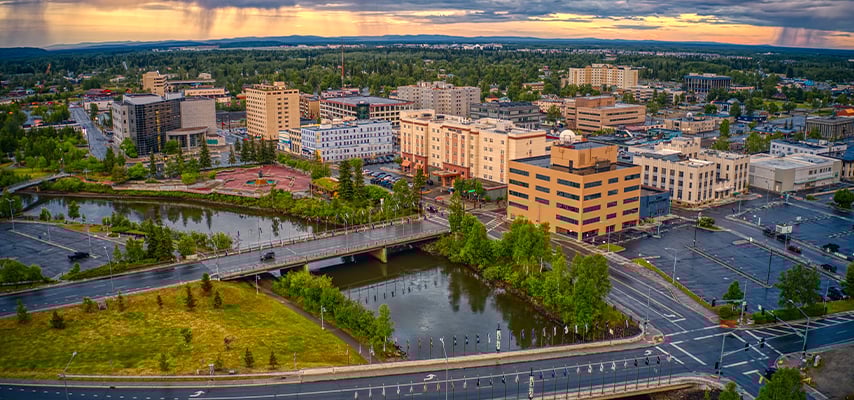
Fairbanks sits directly beneath the auroral oval, the ring around the magnetic north pole where aurora activity concentrates most intensely. With more than 200 nights of potential visibility annually, and Interior Alaska's clear, dry winter weather, Fairbanks delivers viewing consistency coastal Alaska locations cannot match.
Prime Viewing Locations:
Chena Hot Springs Resort (60 miles northeast) combines aurora viewing with natural hot springs—watching the aurora while soaking in 106-degree water transforms the experience from spectacular to unforgettable. The resort's elevated position and complete darkness deliver excellent displays.
Murphy Dome and Cleary Summit (20 to 30 miles north) offer high-elevation viewing that lifts you above valley fog while providing 360-degree horizons. Most aurora tour operators provide transportation to these viewing locations, eliminating concerns about unfamiliar winter driving. Self-drive works best in September when roads are clear; February's ice and -30 degree Fahrenheit conditions make guided transportation the safer choice for visitors unfamiliar with arctic winter driving.
Aurora lodges and camps scattered around Fairbanks provide heated facilities, expert guides, and strategic positioning for optimal viewing. These operations monitor aurora forecasts in real time and adjust viewing locations based on weather and predictions.
Anchorage sits significantly further from optimal aurora viewing zones with substantial light pollution from Alaska's urban center. If northern lights are your priority, fly directly to Fairbanks for superior viewing probability.
Alaska Cruises & Northern Lights
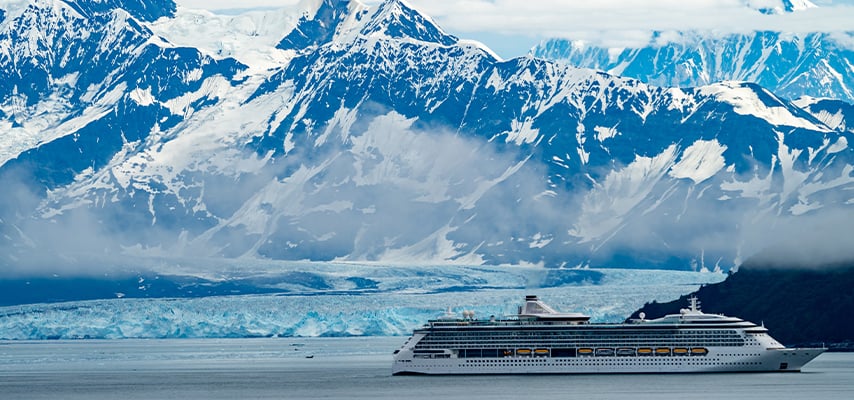
Alaska's summer cruise season (May through September) occurs during midnight sun months when aurora viewing is not practical for most of the season. Only late September repositioning cruises offer minimal northern lights potential with very limited darkness windows (aurora visible only 11 p.m. to 3 a.m.). Even then, success requires late-night deck time, cooperative weather, and coastal positioning provides less favorable viewing than Interior Alaska.
Holland America and Princess Cruises—InteleTravel's Alaska cruise partners—offer Alaska cruises through late September, with the season typically concluding between late September and early October, depending on the year.
For the best of both experiences, consider a summer Alaska cruise (optimal for glaciers and wildlife) followed by a separate winter Fairbanks trip during prime aurora season (September or February-March). This two-trip approach delivers comprehensive Alaska experiences with realistic expectations rather than hoping for aurora glimpses during summer sailings focused on other highlights.
Planning Your Alaska Northern Lights Trip
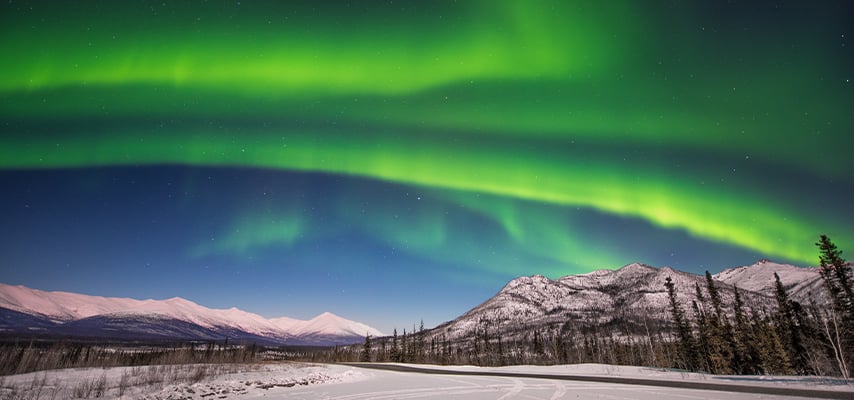
Trip length: Minimum three to four nights in Fairbanks provides reasonable probability—tourism operators and aurora resources commonly cite approximately 80%-90% percent viewing probability over three clear nights during peak season. This timeline also ensures worthwhile Alaska experiences (dog sledding, ice fishing, winter wildlife viewing) that make the trip valuable regardless of aurora cooperation. Five to seven nights significantly improves odds while allowing weather flexibility.
Booking windows:
- Peak season (February-March): Four to six months in advance
- Shoulder seasons (September, October-November): Two to three months in advance
- Deep winter (December-January): Six to 12 months for holiday weeks
- September exception: Early September often allows booking four to six weeks in advance due to lower demand between cruise and aurora seasons
Gear rental planning: Arctic winter gear (insulated parka rated to -40 degrees Fahrenheit, specialized winter boots, insulated snow pants) typically rents for $50 to $75 per day in Fairbanks from hotels, tour operators, and local outfitters. September visitors can usually manage with their own winter clothing; February-March visitors should budget for rentals unless they own gear rated for extreme cold.
Northern Lights Viewing Tips
What Time of Night Are Northern Lights Most Active in Alaska?
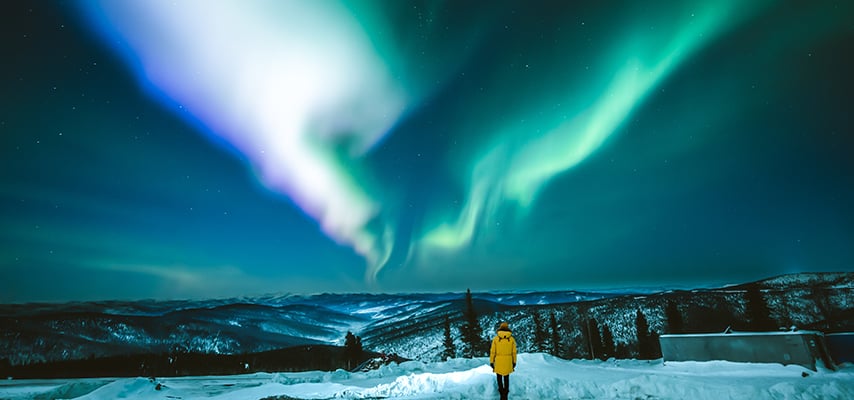
Aurora displays can occur anytime during dark hours, but peak activity typically concentrates between 10 p.m. and 2 a.m. Arrive at viewing locations by 9:30 p.m. to 10 p.m., allow 30 or more minutes for eyes to adjust to darkness, and monitor skies through 2 a.m. to 3 a.m. for peak activity.
Using Aurora Forecasts
The University of Alaska Fairbanks Aurora Forecast (gi.alaska.edu/monitors/aurora-forecast) provides 30-minute predictions on a zero to nine scale, where five or higher indicates strong probability in Fairbanks. Updates occur every 30 minutes with aurora activity predictions and cloud cover maps.
Cloud cover matters most—a strong aurora forecast means nothing if clouds obscure the sky. Monitor weather forecasts alongside aurora predictions and maintain flexibility to shift viewing locations if weather differs across the region.
Plan Your Alaska Northern Lights Adventure
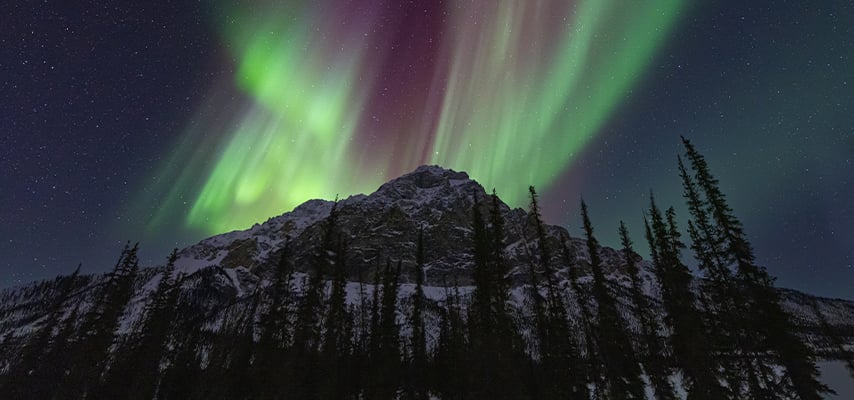
Alaska's aurora borealis offers Americans unparalleled access to one of nature's most spectacular phenomena, with Fairbanks delivering world-class viewing consistency from late August through April.
Whether you're drawn to accessible September viewing with fall colors and comfortable temperatures, targeting peak February-March displays when weather stability and aurora activity align, or seeking deep winter's maximum darkness hours, Alaska's extended season accommodates your priorities.
Success lies in matching your cold tolerance to the right month, building sufficient viewing nights into your itinerary (three to four minimum, five to seven optimal), and preparing with proper gear or budgeting for rentals.
The difference between disappointment and life-changing experiences comes down to strategic planning—selecting the month that balances viewing probability with personal comfort, positioning yourself in Fairbanks rather than Anchorage, and structuring multi-night stays with backup activities that make your trip worthwhile, regardless of conditions.
Planning Alaska northern lights trips involves coordinating interconnected logistics: which Fairbanks properties position you for optimal viewing, how to structure nights for weather flexibility, what gear you'll need for your chosen month, and which activities ensure trip value even if clouds don't cooperate.
InteleTravel Advisors specializing in Alaska navigate these decisions daily, drawing on experience with hundreds of aurora travelers to match your priorities with realistic expectations for your investment.
Ready to start planning? Connect with an InteleTravel Advisor who specializes in Alaska travel to design your northern lights adventure—from selecting the optimal month for your comfort level to coordinating lodging, tours, and logistics that maximize your chances of witnessing one of nature's most awe-inspiring displays.