

Planning your first trip to Thailand? You’re in for an experience that blends ancient temples with buzzing cities, turquoise coasts, and a food scene famous worldwide. First-time visitors quickly discover, however, that a smooth trip depends on getting a few essentials right.
When should you go to avoid monsoon rains? Do you need a visa? And which cultural customs can make or break your experience? In this guide, we share essential Thailand travel tips for first-time visitors—from timing your trip to temple etiquette—so you can explore the “Land of Smiles” with confidence.
Want expert guidance for your own itinerary? Request an InteleTravel Advisor today and get a personalized plan that matches your budget, travel style, and dream experiences.

Best Time to Visit Thailand
When Is the Best Time to Travel to Thailand?
The cool and dry season from November through February delivers optimal conditions for most of Thailand.
- Temperatures range from comfortable 63°F in northern highlands such as Chiang Mai to warm 90°F in southern beach areas, with notably lower humidity than other seasons.
- This window provides the most pleasant weather for exploring Bangkok's temples, trekking northern mountains, and enjoying western coast beaches.
This popularity creates trade-offs: Expect higher accommodation rates (especially around Christmas and New Year) and larger crowds at major attractions. If seeking value and smaller crowds, consider shoulder months November or February, when the weather remains excellent but tourism pressure eases slightly.
Why Summer Might Actually Be Your Perfect Season
While guidebooks champion the cool season, Thailand's summer months (May through October) offer compelling advantages for flexible travelers seeking value and authentic experiences.
- The Rain Reality: Summer showers typically arrive as afternoon bursts and then disappear, leaving refreshed air and plenty of sunshine. These downpours naturally cool temperatures, often making summer more comfortable during the hot season's relentless heat.
- The Rewards: Accommodation costs drop significantly, waterfalls thunder at full force, and landscapes turn brilliantly green. You'll explore temples without crowds, claim beach spots more easily, and experience local festivals celebrated for communities rather than cameras.
- Who Thrives Here: Travelers accustomed to Florida thunderstorms or Hawaiian tropical showers may find Thailand's summer patterns quite manageable. Pack a quality rain jacket, embrace flexibility, and you'll discover some of Thailand's most memorable moments happen when you're sharing shelter from sudden downpours with friendly locals.
Thailand's Three Seasons at a Glance
Thailand's weather varies dramatically by season and region:
Regional Weather: Which Coast When?
Western Andaman Coast (Phuket, Krabi, Koh Phi Phi): December through March delivers peak conditions with calm, crystal-clear waters ideal for diving and snorkeling. Monsoons can occur between May and October, bringing rough seas and reduced ferry schedules—many beach businesses close during the wettest months.
Eastern Gulf Coast (Koh Samui, Koh Phangan, Koh Tao): These islands flip the pattern, offering excellent conditions from February through May and again from July through August when the Andaman Coast faces monsoons. November brings heavy rainfall here, even as the western coast begins drying out.
Northern Thailand (Chiang Mai, Pai): November through February provides the coolest, most comfortable trekking weather. March and April bring "smoky season" from agricultural burning, creating hazy conditions that affect air quality and mountain views.

Visa & Entry Requirements for U.S. Travelers
Do I Need a Visa to Visit Thailand?
For U.S. passport holders traveling for tourism, the good news is you can enjoy visa-free entry for stays up to 60 days.
This makes planning a trip to the "Land of Smiles" a breeze, as there's no need to apply for a visa in advance. However, you'll still need to complete some mandatory online steps before your journey.
New Online Requirements for Travelers
Thailand has modernized its entry process by implementing the Digital Thailand Arrival Card (TDAC) for all foreign nationals. This online form replaces the old paper immigration forms and must be completed at least 72 hours before you arrive.
Entry Requirements Checklist
- Valid passport: Must be valid for at least six months beyond your entry date. This is strictly enforced.
- Blank passport pages: You need at least one completely blank page for entry and exit stamps.
- Proof of onward travel: Have a confirmed ticket (flight, bus, or cruise) showing your departure from Thailand within 60 days. Your airline will likely check this before you board your flight.
- Proof of funds: While rarely checked, you should be prepared to show 10,000 THB per person (or 20,000 THB per family) in cash or on a bank app.
- Digital Thailand Arrival Card (TDAC): Mandatory as of May 1, 2025. You must complete this online within 72 hours of your arrival.
Staying Longer Than 60 Days
If you wish to stay in Thailand for up to 90 days, you can apply for a single 30-day extension at a Thai immigration office while in the country.
Is Thailand Safe for Tourists Right Now?
How Safe Is Thailand for First-Time Visitors?
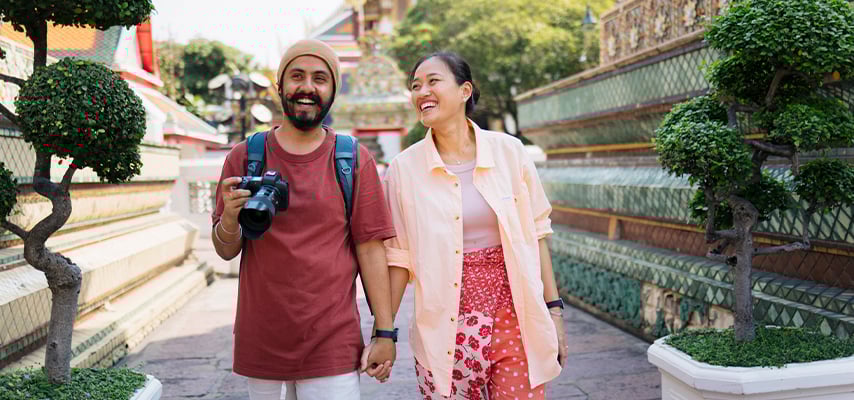
Thailand maintains its position as one of Southeast Asia's safest destinations.
For the most recent updates, check the U.S. State Department website for relevant travel advisories. As of this publication, the U.S. State Department assigned Thailand a Level 2: Exercise Increased Caution rating, citing areas along the Cambodian and Thai border.
Reality for travelers: Bangkok, Chiang Mai, Phuket, Krabi, Koh Samui, and other popular destinations maintain high safety standards. Thai hospitality isn't marketing—locals genuinely welcome visitors, and tourism-dependent communities prioritize visitor safety.
Key Safety Concerns & How to Avoid Them
Common Tourist Scams
- Tuk-tuks claiming destinations are "closed for holiday" before steering you to commission-earning shops
- Rental operators charging excessive fees for minor or pre-existing damage
- Never surrender your passport as rental collateral—use credit card deposit or cash instead
- Use ride-hailing apps such as Grab for transparent taxi pricing
Road Safety: Thailand's roads rank among the world's most dangerous. Exercise extreme caution crossing streets—Thai drivers rarely yield to pedestrians. If renting motorcycles, wear helmets (legally required) and verify your travel insurance covers motorcycle accidents.
Drink Safety: Be mindful of alcoholic drinks you’re consuming due to past incidents of methanol poisoning. Stick to recognizable beer brands and reputable bars. Never leave drinks unattended in party areas such as Khao San Road or Full Moon Party venues.
Sun & Health Protection: Thailand's tropical sun burns quickly. Use reef-safe sunscreen meeting Thai National Park standards—sunscreens containing oxybenzone and octinoxate are banned from all national parks with fines up to 100,000 THB ($2,850 USD). Tap water isn't potable—stick to bottled water for drinking and brushing teeth.
What to Pack for a Trip to Thailand
Essential Packing List
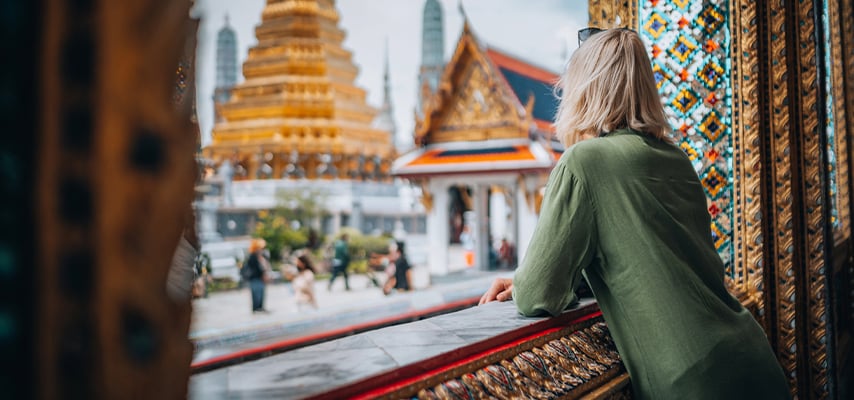
The Temple Dress Code Essential: A large, lightweight sarong or shawl solves most temple entry challenges. Men wrap it around shorts; women drape it over shoulders or use it as a skirt. Choose dark colors to avoid transparency issues. This versatile item doubles as a beach cover-up, picnic blanket, and airplane travel blanket.
Top Destinations for First-Time Visitors
The Classic First-Timer Route
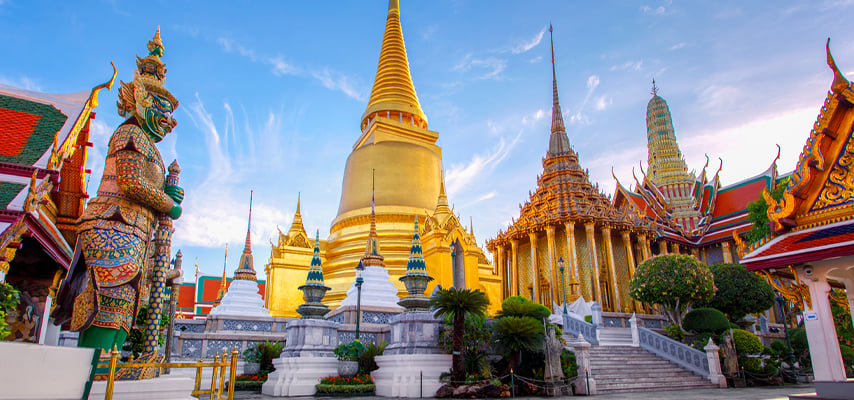
Most successful first visits balance City-North-Islands: Bangkok for temples and urban energy (3-4 days), Chiang Mai for culture and nature (4-5 days), then islands for beaches and water activities (7-10 days). This progression moves from stimulating to relaxing, letting you decompress before flying home.
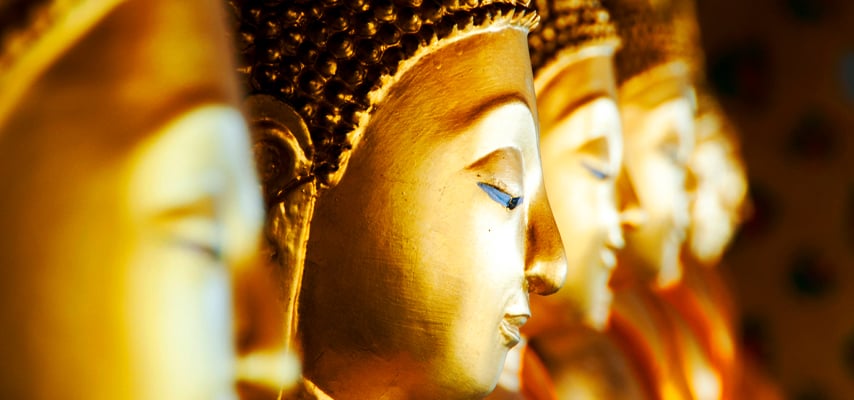
Essential Thai Etiquette & Cultural Tips
Core Cultural Customs
The Monarchy Is Sacred: Thailand's lèse-majesté laws make criticizing the royal family a serious criminal offense—this applies to foreign nationals and social media posts. Stand respectfully when the royal anthem plays in theaters or public spaces (8 a.m. and 6 p.m. daily). Treat currency carefully, as bills bear royal images.
Head & Feet Symbolism
- Head: Most sacred body part—never touch anyone's head, even children
- Feet: Lowest/least clean—never point feet at people, Buddha images, or monks; don't step over people or belongings
Temple Behavior Checklist
- Remove shoes before entering buildings with Buddha images
- Women never touch monks or hand items directly to them
- Step over, not on, temple thresholds
- Sit with feet tucked to the side, never pointed at Buddha images
- Speak quietly; temples are active places of worship
The Wai Greeting: Return a wai (palms together at chest, slight bow) when offered by adults. You need not initiate wais to service workers, children, or monks. A higher hand position indicates greater respect.
Keep Your Cool: Thais value "cool heart" (jai yen)—avoiding confrontation and maintaining composure. Raising your voice or showing anger causes you to lose face. When problems arise, address them with a smile and a patient explanation. Embrace "mai pen rai" (never mind, no worries) when minor things go wrong.
Frequently Asked Questions
Here are a few Thailand travel tips that address some of the most common first-time visitor questions.

Transform Your Thailand Dreams Into Reality With InteleTravel
Your first Thailand trip deserves expert guidance that goes beyond generic advice. InteleTravel's travel advisors have navigated Thailand's full spectrum—from Bangkok's temples to Chiang Mai's mountains, from Phuket's resorts to Koh Lanta's hidden beaches.
We understand "best time to visit" depends on your specific goals. Perfect diving conditions in the Similans? Budget-friendly monsoon season travel? Multi-generational family trips satisfying both teenagers and grandparents? Our advisors match Thailand's diversity to your vision.
Beyond itinerary building, we handle the details that matter: securing competitive rates on flights and accommodation, arranging reliable transfers, booking ethical elephant experiences that fill quickly, and setting up connectivity. When weather shifts or plans change, you'll have expert support rather than automated customer service.
Ready to stop planning and start dreaming? Connect with an InteleTravel Advisor today and let's transform your Thailand vision into an expertly crafted itinerary. Your "Land of Smiles" adventure awaits.