When is the best time of year to cruise Alaska? It’s the single most important decision you’ll make—and the one most travelers get wrong.
Alaska’s cruise season runs for about five months, yet each month delivers a completely different experience.
- In May, you’ll find dramatically lower prices and quieter ports—but cooler weather.
- July brings peak wildlife sightings and the warmest temperatures, along with the biggest crowds and highest fares.
- September trades sunshine for savings, fewer ships, and even a chance at northern lights.
That’s why there’s no universal “best” month to cruise Alaska—only the best month for your priorities.
This guide breaks down the best time to cruise Alaska month by month, comparing weather, wildlife activity, crowd levels, and pricing so you can confidently choose the window that fits your goals—whether that’s spotting bears during salmon runs, avoiding school-holiday crowds, or stretching your budget without sacrificing the experience.
And because timing directly impacts access to bucket-list experiences like Glacier Bay, we’ll also show you where expert guidance matters most. If you want personalized advice—or access to limited-availability sailings—working with an Alaska-specialist advisor can make all the difference.
Let’s find your ideal Alaska cruise window.
Understanding Alaska's Compressed Season
Alaska cruising operates just May through September, driven by weather, daylight, and operational realities. The 2024 season welcomed 1.79 million passengers—representing 66% of all summer Alaska visitors and creating dramatic variations in pricing, crowds, and experience quality across these five months.
The Daylight Factor
Late June delivers nearly 18 hours of daylight around summer solstice, providing extended wildlife viewing and photography time. By early September, daylight shrinks to 13-14 hours and declines rapidly. Those long summer evenings create magical moments—watching whales feed in golden 10 p.m. light, or having enough evening brightness to explore port towns after dinner.
Weather Reality
Expect daytime highs in the 50s to mid-60s°F throughout the season, with nights cooling into the 40s. The Inside Passage—which most Alaska cruises follow—stays remarkably calm year-round, thanks to coastal island protection. Even seasickness-prone travelers generally fare well compared to open-ocean itineraries.
Pack quality rain gear regardless of month. May tends drier (2-4 inches), while September brings heaviest precipitation (7+ inches), but rain rarely cancels activities—Alaskans have perfected enjoying their state in all conditions.
Crowd Reality
July represents peak congestion, with major ports sometimes hosting five or more ships simultaneously. May and September see roughly 40%-50% fewer ships per day, creating noticeably more relaxed port experiences. Fewer passengers mean simpler embarkation, better dining availability, more spacious glacier viewing, and often more attentive service.
May: Shoulder Season Sweet Spot
May occupies Alaska's value position—late enough that winter has released its grip, early enough to avoid summer's peak crowds and pricing. For travelers with flexible schedules and realistic expectations about cooler weather, May delivers exceptional value.
Conditions: Temps range 50°F-60°F with 2"-4" precipitation—the coolest and driest cruise month. Daylight stretches to 16 hours by late May, with consistently calm Inside Passage waters.
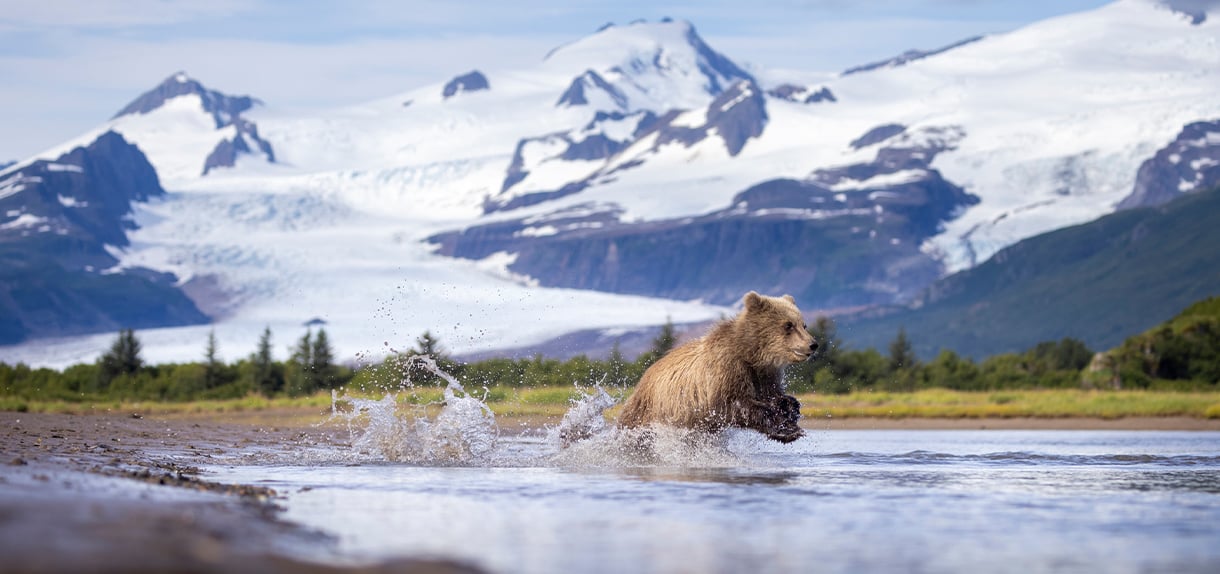
Wildlife Viewing: Humpback whales arrive in good numbers, making whale-watching excursions viable with strong success rates. May brings Alaska's "baby animal season"—moose calves appear in late May, harbor seal pups dot ice floes near tidewater glaciers, and bear cubs emerge with mothers. These young animals create magical viewing opportunities, though bears aren't yet congregating at salmon streams in large numbers. Bird life peaks during spring migration, with shorebirds and waterfowl moving through coastal areas, while bald eagles maintain their ubiquitous presence.
Crowds & Pricing: Lightest passenger loads of the cruise season, with far fewer ships deployed and lower occupancy rates. Ports feel spacious, shore excursions rarely sell out, and shipboard amenities have breathing room. Pricing runs 20%-40% below peak July rates—substantial savings that often allow cabin upgrades or premium excursions that wouldn't fit July budgets.
Excursion Availability: Core Alaska excursions operate successfully—whale watching, flight seeing, city tours, cultural experiences, many glacier walks. However, high-elevation helicopter glacier landings may face snow-related restrictions, and certain alpine hikes won't yet be cleared. Glacier dog-sledding typically operates by mid-to-late May. Weather cancellations happen more frequently than mid-summer, so build flexibility into expectations.
Best For: Budget-conscious travelers willing to accept cooler weather for significant savings, couples preferring quieter intimate experiences, wildlife photographers interested in baby animals and spring landscapes, anyone with schedule flexibility wanting to avoid summer crowds.
Trade-Off: Coolest temperatures of cruise season make layering essential, and some premium excursions won't reach full operational status until June.
June: Peak Season Sweet Spot
June marks Alaska's transition into peak season, combining increasingly reliable weather with strong wildlife activity while avoiding July's maximum congestion. For many travelers, June represents the balanced middle ground—warm enough for comfort, active enough for excellent wildlife, yet not overwhelmed by peak crowds.
Conditions: Daytime highs climb into upper 50s°F to mid-60s°F—Alaska's most comfortable month for extended outdoor activities. Precipitation increases to 3-5 inches with generally favorable weather patterns. Late June brings nearly 18 hours of daylight around summer solstice, providing extended viewing windows invaluable for wildlife watching and photography.
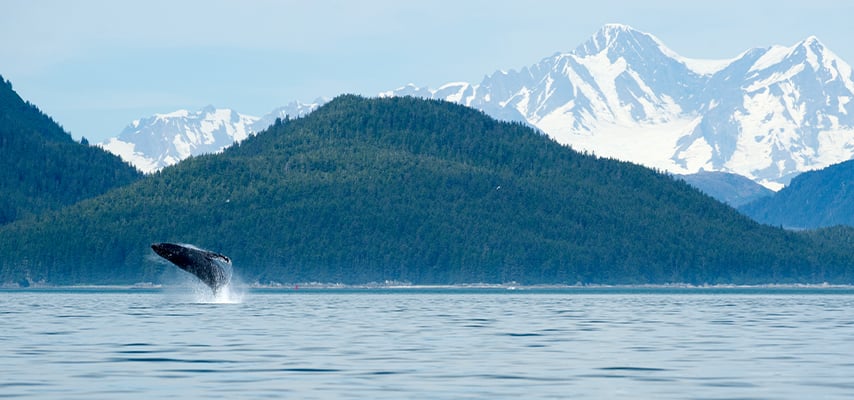
Wildlife Viewing: Increasingly excellent whale watching, as humpback and orca populations settle into summer feeding patterns. Bear viewing improves significantly as king (chinook) and sockeye salmon runs begin, drawing bears to streams. While not yet July's peak intensity, June provides reliable bear-viewing opportunities through specialized excursions. Seabird colonies reach peak nesting activity with puffins, murres, and auklets intensely focused on chick-rearing. Harbor seals continue pupping on ice floes near tidewater glaciers.
Crowds & Pricing: Substantially higher passenger volumes as families begin summer break, though crowds remain manageable compared to July peak. Multiple ships frequently visit popular ports, creating noticeably busier conditions than May. Pricing occupies mid-to-upper range—higher than shoulder seasons but typically 10%-20% below July peak rates, delivering better value than July for families who can travel early summer.
Excursion Availability: Full operational status for virtually all Alaska excursions. Helicopter glacier landings, glacier dog-sledding, ziplines, kayaking, and backcountry hikes all run with minimal weather restrictions. Popular excursions begin selling out well in advance, making early booking increasingly important.
Best For: Families needing early summer break timing who want to avoid July's extreme crowds, first-time Alaska cruisers seeking full experience with reliable conditions, active travelers wanting guaranteed access to all excursions, wildlife enthusiasts who appreciate strong viewing without peak-season congestion.
Trade-Off: Higher costs than May and increasingly crowded conditions as the month progresses, with popular Glacier Bay sailings requiring 12-18 month advance booking.
July: Peak Wildlife, Peak Everything
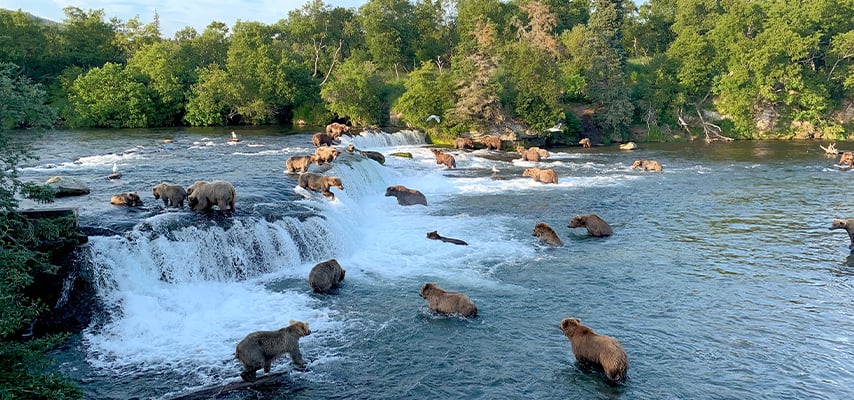
July represents Alaska cruising at maximum intensity—warmest weather, longest days, most active wildlife, highest passenger volumes, and steepest pricing all converge. For families locked into school break schedules or travelers prioritizing optimal conditions above all else, July delivers the quintessential Alaska experience. Just prepare for company.
Conditions: Warmest month, with daytime highs typically reaching low-to-mid 60s°F. Precipitation averages 4-5+ inches with afternoon showers common, though weather patterns generally stabilize, reducing cancellation risks. Daylight remains abundant at 16-17 hours, declining slightly from June's solstice peak.
Wildlife Viewing: Absolute peak bear viewing, as multiple salmon species run simultaneously—sockeye, pink, and chum salmon crowd rivers, drawing bears to predictable feeding locations. Bear-viewing excursions achieve the highest success rates, with multiple sightings common. Humpback whale activity reaches maximum intensity, with bubble-net feeding becoming more frequent and visible. Orcas patrol channels, with pods often visible from ship decks. Seabird colonies remain active through July, though activity begins declining toward month's end.
Crowds & Pricing: Highest passenger volumes of entire season, with major ports sometimes hosting five or more ships simultaneously. Popular walking areas feel genuinely crowded, restaurants fill quickly, shore excursion groups run at maximum capacity. Pricing reaches annual peaks—expect 20%-40% premiums over May or September for identical itineraries. Advanced booking is essential for premium excursions, often six to 12 months before departure.
Excursion Availability: Everything operates at full capacity. The challenge isn't availability—it's securing spots before they're sold out. Weather reliability reaches peak, making July the safest bet for travelers who've invested in expensive premium experiences and can't afford weather disappointment.
Best For: Families with no alternative to mid-summer travel, wildlife photographers prioritizing bears and peak whale activity, first-timers wanting guaranteed optimal conditions regardless of cost, and travelers for whom budget constraints take a backseat to experience maximization.
Trade-Off: Highest costs when many families face strained vacation budgets, with crowds significantly impacting port experiences and ships sailing at or near capacity.
August: Peak Season Extension
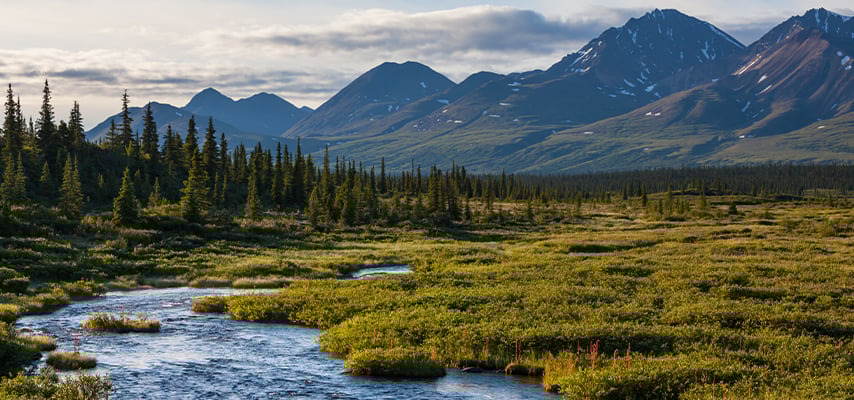
August extends peak season conditions through most of the month, while beginning to ease July's extreme crowd levels toward month's end. For families with flexible back-to-school timing, August offers compelling middle ground between peak-season experience quality and slightly more manageable logistics.
Conditions: Temperatures remain pleasant in the low 60s°F through most of August though subtle cooling emerges by month's end. Precipitation increases to 4-6 inches, with rain becoming more frequent. Daylight still provides 15-16 hours in early August, though decline accelerates as the month progresses—evenings are noticeably shorten but remain ample for activities.
Wildlife Viewing: Humpback whales continue intense feeding activity, maintaining excellent viewing opportunities. Late-run salmon—particularly coho (silver) salmon—begin appearing, extending bear-viewing opportunities. Bears also focus on berry feeding as they prepare for hibernation, sometimes bringing them closer to coastal areas. Late August brings the first realistic northern lights opportunities on Alaska cruises—not guaranteed, but passengers occasionally witness aurora displays unavailable during earlier summer.
Crowds & Pricing: High passenger volumes through mid-month similar to July, though as school resumption approaches family bookings decline and crowd levels ease—particularly noticeable on late August sailings. Pricing remains elevated, though typically 5%-15% below July peak. Late August sometimes offers better value, as cruise lines adjust pricing when family demand drops.
Excursion Availability: Full excursion portfolios continue through most of August, though some snow-dependent activities like glacier dog-sledding begin winding down by late month. Weather-dependent cancellations increase slightly compared to mid-summer stability. Advance booking remains important, though last-minute availability sometimes opens as the month progresses.
Best For: Families who can travel final weeks before school resumes, travelers seeking peak-season wildlife with marginally reduced crowds, and anyone hoping to combine Alaska's core experiences with northern lights chance.
Trade-Off: Still carries peak-season pricing through most of the month, increasing precipitation creates wetter conditions, and shortened daylight reduces those magical long summer evenings.
September: Shoulder Season Returns
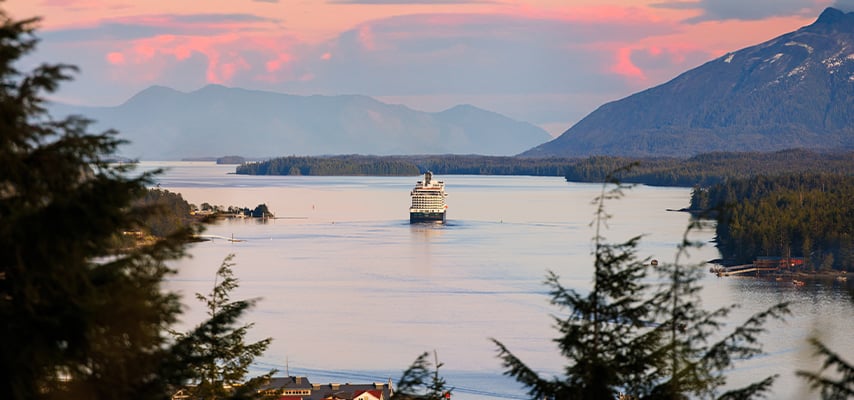
September marks Alaska's return to shoulder season, bringing significantly reduced crowds, lower pricing, and more variable conditions. For budget-conscious travelers, couples seeking quieter experiences, and anyone drawn by northern lights possibilities, September offers compelling advantages despite being the coolest and wettest cruise month.
Conditions: Temperatures cool noticeably into low 50s°F to low 60s°F, with more pronounced day-to-day variation. September brings Alaska's heaviest precipitation—typically 7+ inches across southeast ports—making quality rain gear absolutely essential. Daylight shrinks rapidly to 13-14 hours by early September, with evenings feeling noticeably shorter than summer months.
Wildlife Viewing: Humpback whales remain present through early-to-mid September, though activity begins declining as whales prepare for migration. Success rates stay reasonable through early September, but drop as the month progresses. Late coho salmon runs provide final bear-viewing opportunities, though bear activity decreases as fish runs taper. Fall bird migration creates excellent birding opportunities, with shorebirds and waterfowl moving through coastal areas. September's unique advantage? Best northern lights opportunities of cruise season, with increasing nighttime darkness and aurora season beginning—passengers have realistic chances of witnessing displays, particularly late-month sailings.
Crowds & Pricing: Dramatically reduced passenger volumes, as school resumption eliminates family travel. Ports feel spacious, ships sail well below capacity, and service ratios improve. Pricing drops 20%-40% below peak season rates—substantial savings where a family of four might save $2,000-$4,000 compared to July on identical itineraries. Last-minute deals sometimes appear for September sailings, though shouldn't be counted on for planning.
Excursion Availability: Core excursions—whale watching, flight seeing, city tours, cultural experiences—continue throughout September, though operators begin seasonal wind-down and weather cancellations increase. Glacier dog-sledding and some helicopter experiences may be unavailable or limited, particularly late September sailings. Reduced passenger loads mean smaller excursion groups providing more personalized experiences.
Best For: Budget-focused travelers seeking maximum value, couples preferring quiet uncrowded experiences, northern lights enthusiasts, and flexible travelers who can adapt to weather variability and excursion adjustments.
Trade-Off: Wettest and coolest conditions—expect rain frequently and pack multiple layers. Declining wildlife activity, shortened days, and reduced excursion availability create compromises compared to peak season.
Finding Your Perfect Alaska Cruise Window
Rather than chasing a mythical "best" month, successful Alaska cruise planning matches your specific priorities to the month that delivers on what matters most.
Budget is your primary concern? May and September offer 20%-40% savings—substantial enough to upgrade cabins, add premium excursions, or simply make Alaska cruising financially viable. Accept cooler, wetter conditions with some excursion limitations, but the core Alaska experience remains fully accessible at a dramatically reduced cost.
Wildlife viewing drives your decision? June-August delivers comprehensive wildlife viewing. June brings baby animals and accelerating whale activity. July provides peak bear viewing during intense salmon runs. August extends excellent conditions while adding late-month northern lights possibilities. Work with advisors who understand seasonal wildlife patterns to match specific interests—whales, bears, seabirds, baby animals—to optimal windows.
You're cruising Alaska for the first time? Late June represents optimal balance—warm enough for comfort, light enough for extended viewing, active enough for excellent wildlife, fully operational for all excursions. First-time cruisers benefit particularly from advisor expertise, since lacking personal experience to guide decisions on itinerary variations, cabin categories, and excursion selections.
Avoiding crowds tops your priority list? May and September slash passenger volumes 40%-50%, transforming the experience. Popular areas that feel overwhelmed in July become pleasantly navigable. Excursions run with small groups. Ships feel spacious. If you actively dislike tourist masses, shoulder seasons deliver exponentially better experiences despite weather compromises.
Weather sensitivity shapes your plans? July provides the warmest temperatures, most stable conditions, and greatest weather reliability. However, even July requires layering and rain gear—Alaska's maritime climate means the weather changes quickly, regardless of season.
Family navigating school break constraints? Most families face July as their only realistic option. However, families with flexibility should consider early June—many districts end by early June, allowing travel before July's peak while capturing 80%-90% of July's advantages at 15%-20% lower cost. Late August works for families with flexible back-to-school timing, particularly districts starting after Labor Day.
Understanding Glacier Bay Access
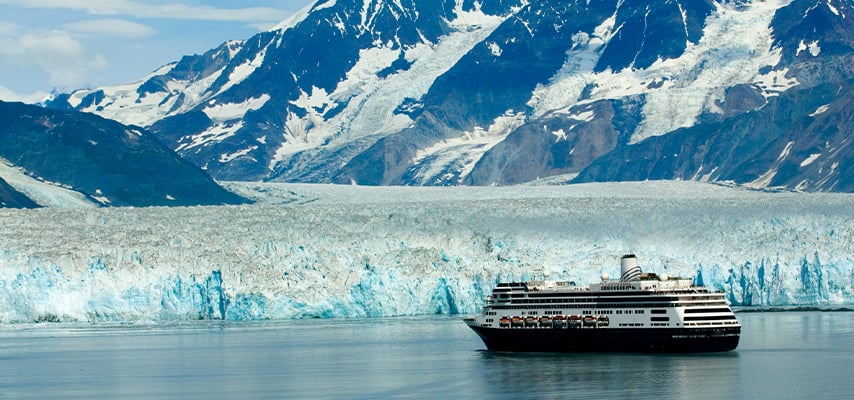
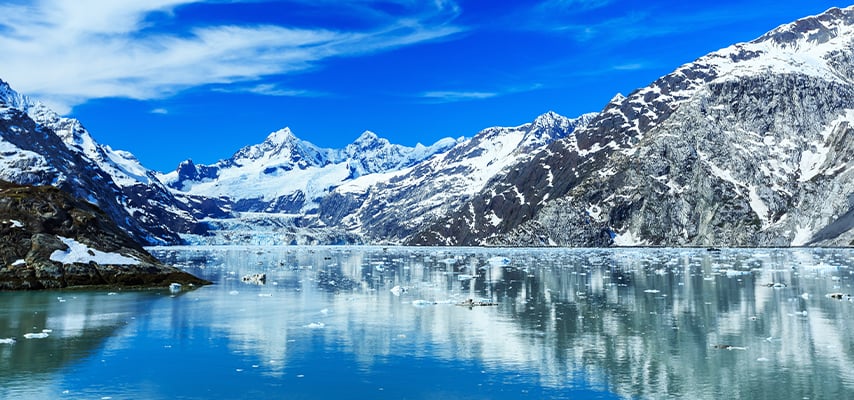
Glacier Bay National Park represents Alaska cruising's most sought-after experience, yet limited permits create supply constraints. The National Park Service caps cruise access to 153 days per summer with two ships maximum daily. Holland America and Princess hold 71 of these days—nearly half of the total allocation—as historical operators.
This scarcity means Glacier Bay sailings book 12-18 months ahead regardless of month and often command price premiums. Celebrity doesn't access Glacier Bay, instead featuring Hubbard Glacier and Dawes Glacier on itineraries.
If Glacier Bay represents a non-negotiable priority, book through InteleTravel Advisors managing Holland America and Princess inventory—such partnership relationships provide access to allocated space you can't secure independently. If you're flexible about specific glaciers, alternative itineraries often deliver better value and easier availability while still providing powerful glacier encounters.
Your InteleTravel Partner Lines
Holland America Line: Deploys seven ships (1,400-2,650 capacity) with more Glacier Bay permits than any cruise line. Mid-sized ships access more ports while providing comprehensive amenities. Traditional atmosphere with Alaska expertise dating back decades. Best for travelers prioritizing maximum Glacier Bay access probability and Alaska historical expertise.
Princess Cruises: Operates Alaska's largest deployment—seven ships (2,600-3,200 capacity) from five home ports. The line's 88 Glacier Bay visits in 2025 take more passengers to the park than any competitor. Comprehensive "North to Alaska" programming, exclusive wilderness lodges, and strong family appeal. Best for families wanting robust kids' programming with Glacier Bay access and varied home port options.
Celebrity Cruises: Deploys three ships (2,100-2,900 capacity), emphasizing premium onboard environment over specific park permits. Modern ship designs, upscale atmosphere. No Glacier Bay access—features Hubbard and Dawes glaciers instead. Best for upscale travelers prioritizing premium ship experiences and contemporary luxury.
All three lines operate early May through late September. Inventory opens 18-24 months ahead. Wave Season (January-March) brings Alaska promotions across all lines.
Why Work With InteleTravel Advisors
Alaska timing decisions involve competing priorities—budget vs. weather vs. wildlife vs. crowds—that advisors navigate with personalized recommendations beyond generic advice. We manage limited Glacier Bay permit inventory through Holland America and Princess partnerships, providing access individuals can't secure independently.
Partnership benefits include exclusive onboard credits ($100-$300 per cabin), priority cabin upgrades, and enhanced excursion booking access. For families, we maximize third and fourth guest pricing that dramatically reduces per-person costs. Our seasonal intelligence—understanding which months justify premiums versus which deliver comparable experiences at lower costs—optimizes value within your budget.
Whether you're prioritizing bears (book July), budget (target May/September), or balanced first-timer experiences (late June), we match your priorities to optimal timing, then coordinate the complex logistics that separate good Alaska cruises from extraordinary ones.
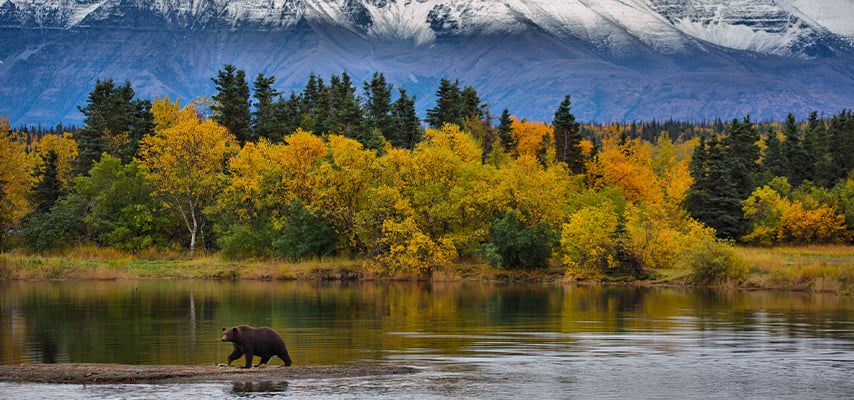
Your Alaska Adventure Awaits
The right month for your Alaska cruise depends entirely on your unique situation—your budget reality, wildlife priorities, crowd tolerance, and scheduling constraints. May and September deliver compelling value for travelers embracing shoulder-season trade-offs. June through August provide increasingly warm conditions and peak wildlife activity. July represents maximum intensity across all dimensions.
Working with InteleTravel Advisors transforms this complexity into clarity, matching your priorities to optimal timing while managing intricate logistics like limited Glacier Bay access, complex itinerary coordination, and partnership benefits that enhance every aspect of your experience.
Ready to discover when you should cruise Alaska?
Connect with an InteleTravel Advisor who'll help you navigate seasonal trade-offs, secure limited Glacier Bay inventory, and create the Alaska experience that aligns perfectly with your vision and budget.